

OnlyFans shows every visitor three headline numbers on a profile — media count, like total and posting activity — and none of them measures quality. Each one counts something literal and narrow, and each one rewards age and volume in ways that have nothing to do with whether a subscription is worth your money this month. A subscriber who reads those numbers at face value will routinely overpay for dormant pages and walk past active ones.
This guide breaks down what each number literally counts, why the biggest figures often belong to the least active pages, and how to combine the signals into a judgement you can act on before you spend anything. It ends with a five-minute check you can run on any profile.
The Three Numbers on Every Profile
OnlyFans gives a subscriber three headline numbers — media count, like total and posting activity — and none of them measures quality. Each is a raw counter, not a rating. Here is what each one literally tallies:
- Media count is archive size: the total number of photo and video files ever uploaded, including old material.
- Likes are cumulative reactions collected across the entire life of the page, with no expiry.
- Post count is total output: how many posts exist, not how many appeared recently.
- Last post date is freshness: the only number tied to the present moment.
The trap is that three of these four counters only ever go up. A page that stopped posting a year ago keeps its media count and its likes forever, so the profile can look bigger and more loved than a page that posted yesterday. Only the last post date can move against a creator.
Why Likes Favour Old Pages
Likes accumulate for as long as a page exists, so an old page that stopped posting can still outrank an active newcomer. Time, not satisfaction, is the main ingredient in a big like total. A page running since the early growth years has had far more subscriber-months to collect reactions than one launched last quarter.
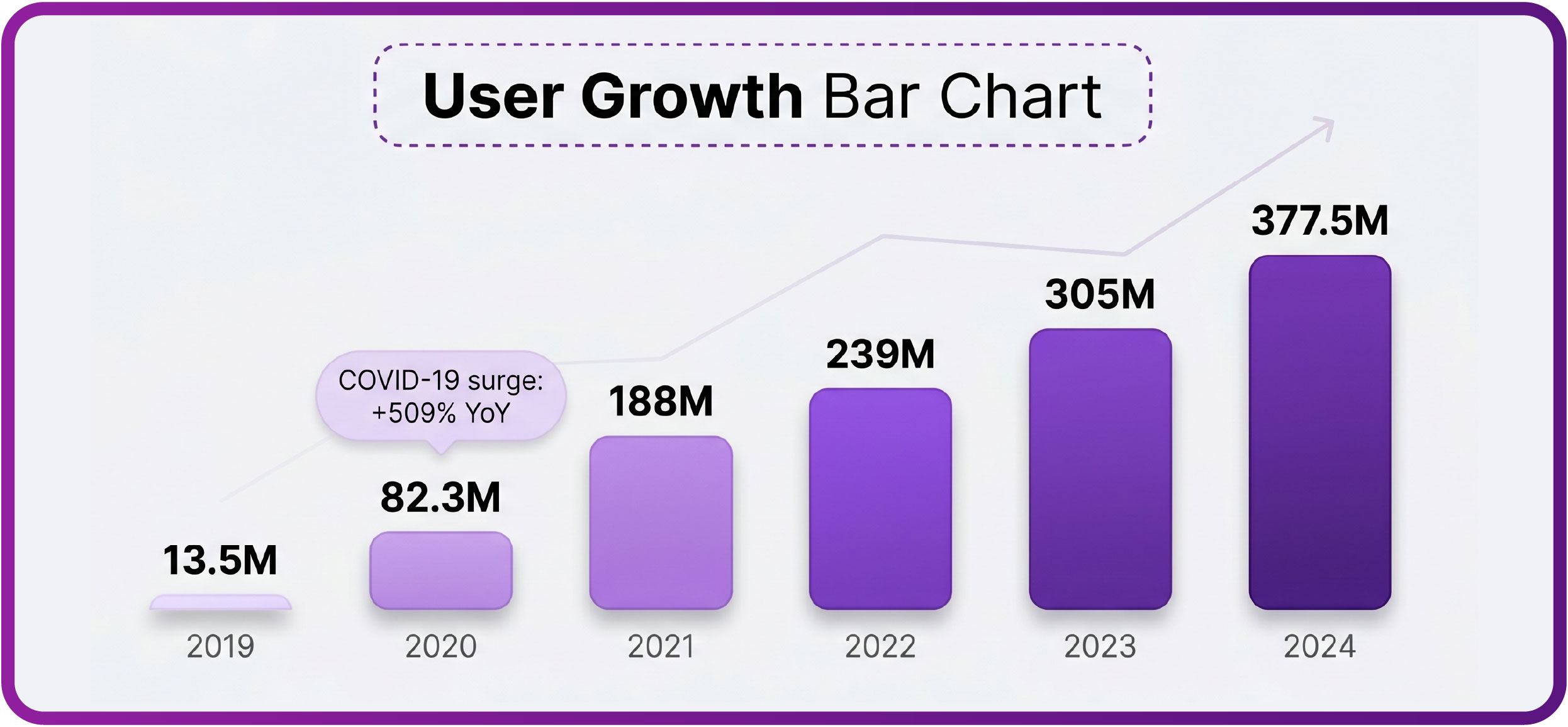
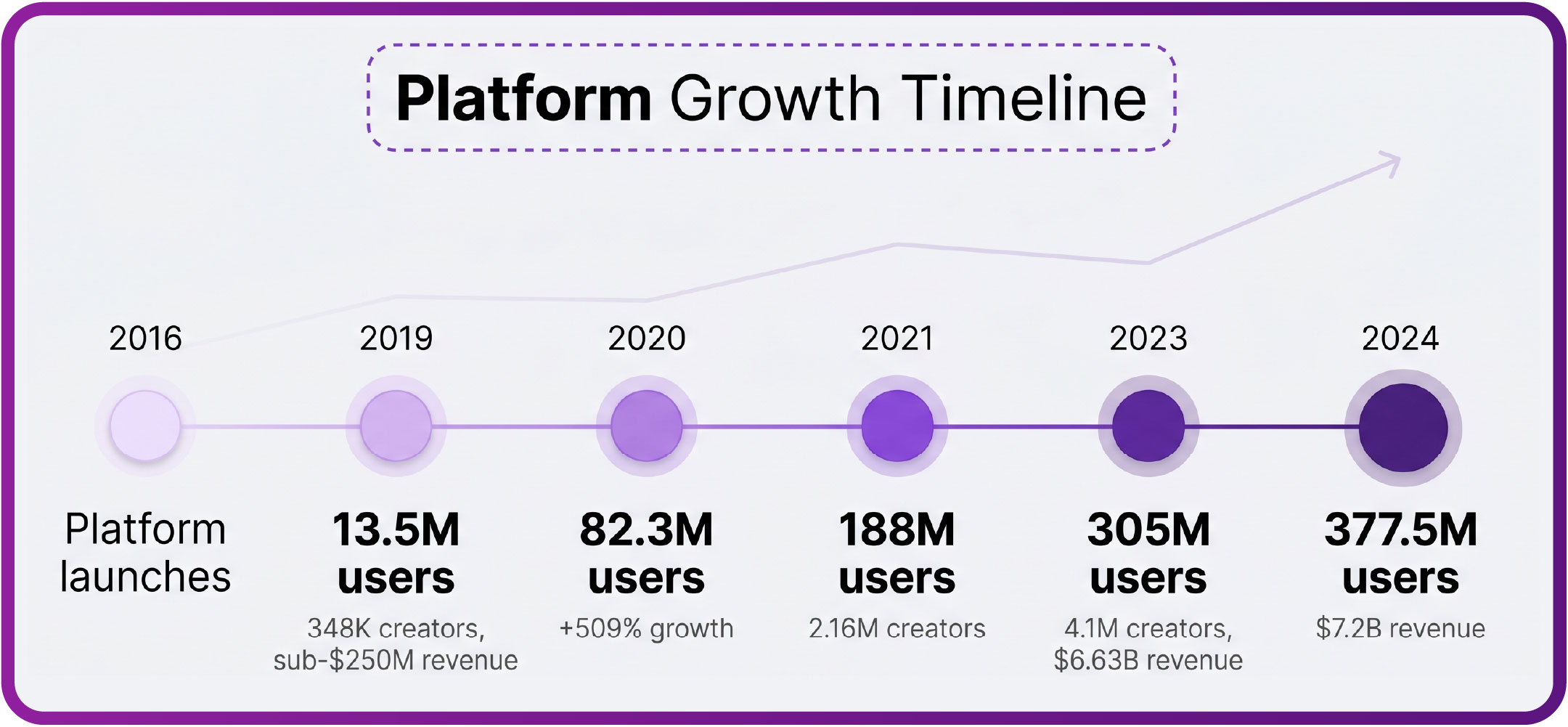
Platform scale makes this bias worse. With roughly 477 million registered users and about 5.45 million creators, a page that started during the 2020 surge had access to a wave of subscribers that no longer exists — growth has slowed from 715% in 2020 to around 4% projected for 2026. Old pages banked their likes when attention was cheap.
| Item | Amount | What it means for you |
| Old page, huge like total | Likes gathered over several years | Popularity may be historical; check whether the page still posts |
| New page, few likes | Weeks or months of accumulation | Low total says nothing about quality yet; check post frequency |
| Steady mid-size page | Moderate likes, regular posts | Often the healthiest profile shape — active and proportionate |
| Dormant page, big archive | High likes, old last post date | You would be paying for an archive, not a subscription |
The practical rule: likes only mean something when divided by time. A modest like total on a six-month-old page can represent more current enthusiasm than a giant total on a five-year-old page that went quiet.
What Media Count Hides
Media count measures files, not value, so a page with thousands of items may simply be recycling an old archive. The counter treats a two-year-old teaser and yesterday’s full post as identical units. It tells you the size of the library, nothing about the library’s condition.
Specifically, media count cannot tell you:
- How recent the files are, or whether anything new was added this month.
- Whether the items are teasers and previews or full posts.
- Whether pay-per-view messages sit on top of the subscription price.
- Whether the style of the content still matches the page description that attracted you.
Because the platform has no discovery feed, no category browser and no recommendations — search only works for names you already know — this archive number is often the first thing a subscriber sees after arriving from social media. It looks like evidence of abundance. It is only evidence of history.
Warning: a large media count paired with a low subscription price can be a clearance signal, not a bargain. If the last post is months old, you are buying access to a finished archive at a recurring monthly price — cancel expectations of anything new before you subscribe.
The Number That Matters Most
Last post date is the only signal that describes the present. Every other number on the profile is a sum of the past; this one tells you whether the page is alive right now. If you can only check one thing, check this.
A fresh page looks like this:
- Posts dated within the past week, not the past quarter.
- An archive that visibly grew this month.
- Replies or engagement visible on recent posts.
- Promotions tied to new content rather than clearance pricing on old material.
Freshness matters because a subscription is a recurring payment for ongoing output. The average creator earns roughly $150 to $180 a month after fees, and about 70% of creators earn under $200 a month — which means many pages are side projects that slow down or stop without warning. The last post date is your early-warning system.
Combining Numbers Into a Judgement
No single counter should decide a subscription, but combinations are revealing. Cross-checking a profile against onlyfans female models listings turns raw counts into a comparison you can act on, because the same numbers suddenly sit next to similar pages. Read the numbers as pairs, not individually:
| Option | Yes-No | Why it matters |
| High likes plus old last post | No | Past popularity, present silence — you would fund an archive |
| Low likes plus weekly posts | Yes | Active newcomer; the like total just hasn’t caught up |
| High media plus rising likes | Yes | Archive still growing and still being received |
| Everything flat | No | No recent posts, no new reactions — the page is parked |
Price completes the picture. Base subscriptions on the platform are never below $4.99 — only promotional first months can dip lower — and most pages sit in the $4.99 to $15 band. A price far above that band needs fresh posting and visible engagement to justify it.
Where Rankings Add Value
Ranking sites exist because the platform itself offers no way to browse. They compile price, likes, media count, category, activity and promotions into sortable cards, which converts isolated profile numbers into a field you can compare. BestOnlyFans, for example, lists public profile prices alongside activity data so a subscriber can see which pages in a category are actually posting.
A ranking card adds four things a raw profile cannot:
- Side-by-side pricing across similar pages.
- Category context, so numbers are judged against peers.
- Activity flags that surface dormant pages.
- Cross-list confirmation when the same page appears on independent rankings.
That last point is the strongest signal available to a subscriber. Overlap between independent lists beats any single list’s position, because two unrelated compilations rarely feature the same inactive page by accident.
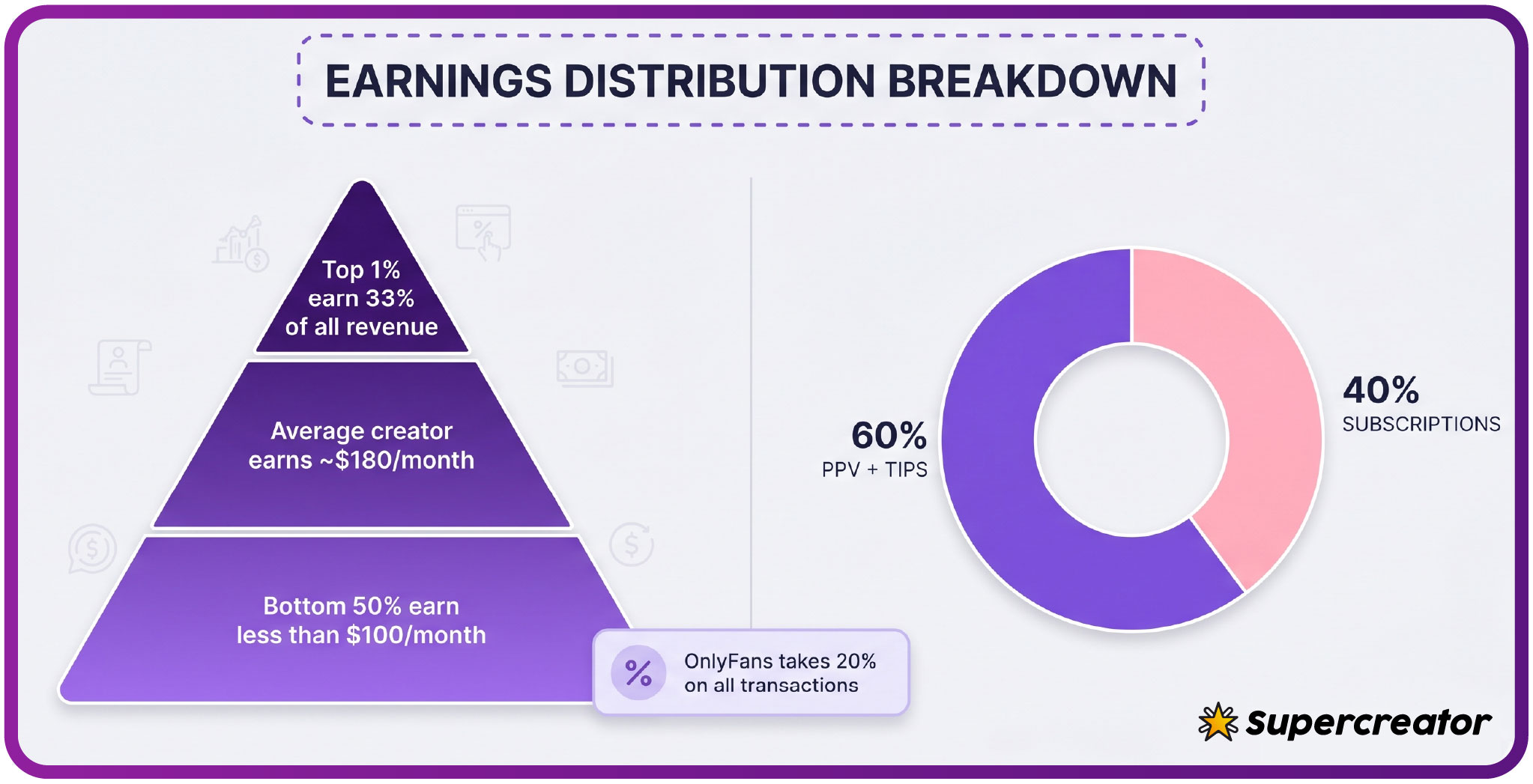
Distribution data explains why rankings skew toward big pages: the top 1% of creators take roughly a third of platform revenue and the top 10% around three quarters, so any popularity-based list concentrates at the top. A service like BestOnlyFans counters that skew by sorting on activity and promotions as well as totals, which lets smaller active pages surface. Where one directory ranks by raw likes, BestOnlyFans lets a subscriber filter by current media counts and posting behaviour instead, which changes which pages you end up comparing.
A Five-Minute Profile Check
Before subscribing to any page, run this ordered check. It takes about five minutes and uses only public information:
- Read the last post date — anything older than a month is a red flag.
- Compare the media count to the page’s age to see whether the archive is still growing.
- Weigh the like total against that same age, not against other pages’ totals.
- Confirm the price sits inside the $4.99 to $15 norm, or that a promo first month explains a lower figure.
- Look for the page on a second independent ranking or directory to confirm it.
If a page passes all five steps, the numbers and the present agree with each other, and the subscription is a considered spend rather than a guess. If it fails two or more, the profile’s headline numbers were doing the selling — which is exactly the mistake this guide exists to prevent.
One final note on where these checks happen: everything above uses information visible before you pay. The platform’s own help and settings pages cover billing and account controls, so a subscriber can verify pricing terms and cancellation rules directly rather than trusting a profile’s self-description.

FAQ
Do more likes mean better content?
No. Likes are cumulative and reward age above everything else, so a large total mostly proves the page has existed for a long time with paying subscribers. Judge likes only in proportion to the page’s age and current activity.
What does a big media count really mean?
It means the archive is large — many files have been uploaded over the page’s lifetime. It says nothing about how recent those files are, whether they are full posts or teasers, or whether pay-per-view sits on top of the subscription.
Why can an old page look more popular than it is?
Because likes and media count never decrease. A page that grew during the platform’s explosive early years keeps every reaction and file it ever collected, even if it has not posted in months, so the profile freezes a moment of past popularity and presents it as the present.
Which single number should I trust?
The last post date. It is the only figure on the profile that describes what is happening now, and a subscription is a payment for what happens next, not for what already happened.